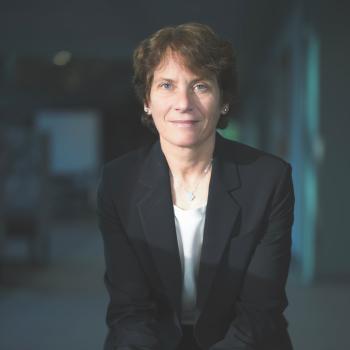
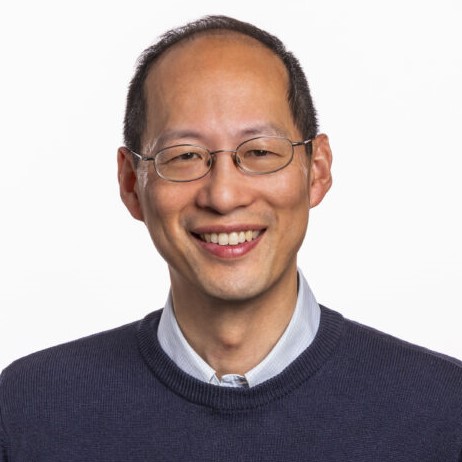
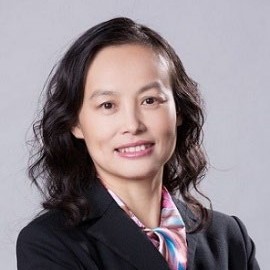
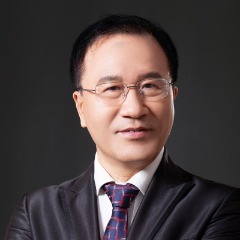
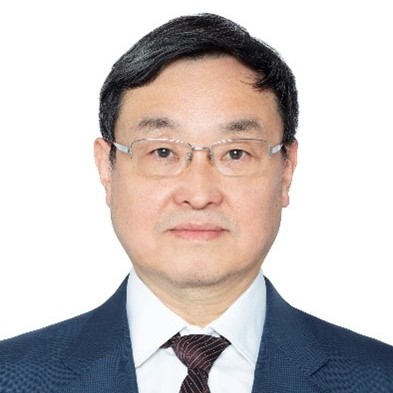
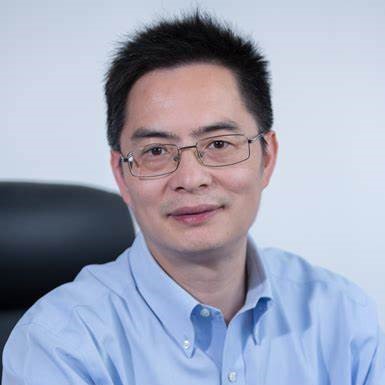
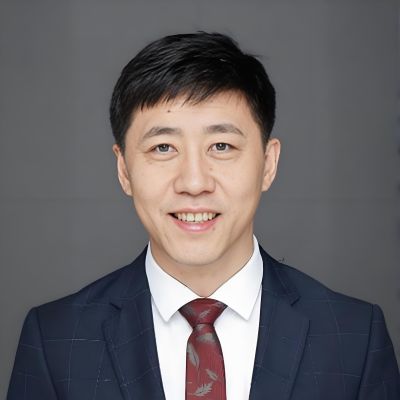
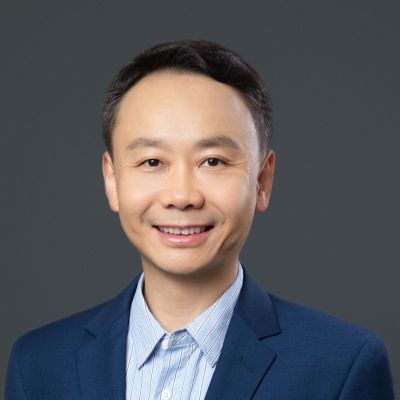
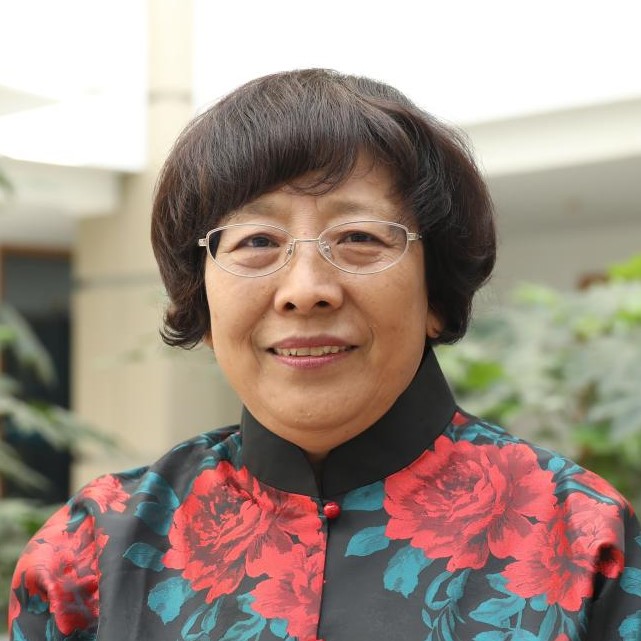
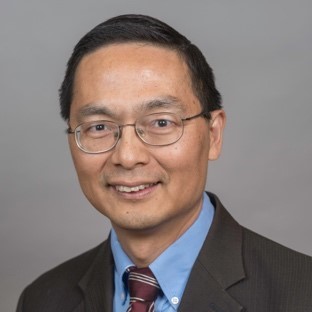
Dr. Wang received his B.S. degree in Biological Sciences & Biotechnology from Tsinghua University in Beijing, China in 1996. He did his thesis work under the supervision of Prof. Sen-Fang Sui, earning a Ph.D. degree from Tsinghua University in 2001. Subsequently, he worked as a Postdoctoral Fellow under the supervision of Prof. Eva Nogales, advancing to Research Scientist in 2006 at Lawrence Berkeley National Laboratory. He joined Yale University as a Tenure-Track Assistant Professor of Molecular Biophysics and Biochemistry in 2009 and returned to his alma mater as a Professor of Life Sciences in December, 2010. He served as dean of School of Life Sciences from 2016-2021. Prof. Wang’s current research interests include methodology development for more efficient and high resolution cryo-EM, the mechanism and regulations of nucleic acid quality control and the coordination mechanisms of cytoskeleton and membrane systems. Dr. Wang received numerous awards, including Science and Technology Breakthrough Award (with Jijie Chai) of School of Life Sciences, Tsinghua University (2020), XPLORER PRIZE of Tencent Foundation (2019), Chinese Cryo-EM Outstanding Contribution Award (2019), Tan Jiazhen Life Sciences Innovation Award (2018), Beijing Teachers’ Role Model (2018), Beijing Outstanding Teacher Award (2017) etc.
×
Prof. Huimin Zhao
Editor-in-Chief, ACS Synthetic Biology
Steven L. Miller Chair and Professor of University of Illinois Urbana-Champaign, United States
Dr. Huimin Zhao is the Steven L. Miller Chair of chemical and biomolecular engineering and professor of chemistry, biochemistry, and bioengineering at the University of Illinois Urbana-Champaign (UIUC), director of NSF AI Institute for Molecule Synthesis (moleculemaker.org), NSF iBioFoundry (ibiofoundry.illinois.edu), and NSF Global Center for Reliable and Scalable Biofoundries, and Editor in Chief of ACS Synthetic Biology. He received his B.S. degree in Biology from the University of Science and Technology of China in 1992 and his Ph.D. degree in Chemistry from the California Institute of Technology in 1998 under the guidance of Nobel Laureate Dr. Frances Arnold. Prior to joining UIUC in 2000, he was a project leader at the Industrial Biotechnology Laboratory of the Dow Chemical Company. He was promoted to full professor in 2008. Dr. Zhao has authored and co-authored over 450 research articles and over 30 issued and pending patent applications. In addition, he has given over 510 plenary, keynote, or invited lectures. Thirty-eight (38) of his former graduate students and postdocs became professors or principal investigators around the world. Dr. Zhao received numerous research and teaching awards and honors such as AIChE Daniel I.C. Wang Award, AIChE FP&B Division Award, ECI Enzyme Engineering Award, ACS Marvin Johnson Award, SIMB Charles Thom Award, and NSF CAREER Award. His primary research interests are in the development and applications of synthetic biology, machine learning, and laboratory automation tools to address society’s most daunting challenges in health, energy, and sustainability.
Prof. Zixin Deng received his PhD in Microbial Genetics from the University of East Anglia (1987) while working in the Streptomyces group at the John Innes Centre. He is currently the honorary dean of the School of Life Sciences and Biotechnology, Shanghai Jiao Tong University and School of Pharmaceutical Sciences, Wuhan University. Prof. Zixin Deng is a Member of the Chinese Academy of Sciences, Fellow of the American Academy of Microbiology, and Fellow of the Science Academy for the Developing World. His research interests center around synthetic biology, Streptomyces genetics, biochemistry and molecular biology of antibiotic biosynthesis, and phosphorothiolation of DNA.
Over the past decades, Prof. Zixin Deng has developed efficient gene-editing and BGC direct-cloning and screening systems for several important antibiotics producers, and has cloned more than 100 BGCs of important natural products. Moreover, his research team has designed and generated more than 10 artificial hybrid antibiotics with improved activities. Most importantly, Prof. Deng has revealed the first phosphonothioation modification on DNA backbone, opening up a fascinating new research field of microbial epigenetics.
×
Prof. Zijian Guo
Editor-in-Chief, Chemical & Biomedical Imaging;
Academician, the Chinese Academy of Sciences
Nanjing University, China
Dr. Zijian Guo received his PhD degree from the University of Padua and worked as a post-doc fellow and a research associate at the University of London and the University of Edinburgh successively. He joined Nanjing University in 1999 and served as the director of the State Key Laboratory of Coordination Chemistry from 2000 to 2009 and the dean of the School of Chemistry and Chemical Engineering from 2006 to 2014. He is currently a professor of the School of Chemistry and Chemical Engineering and the director of the Chemistry and Biomedicine Innovation Center of Nanjing University. His research focuses on the chemical biology of metals and metallodrugs including the metal-based anticancer complexes and their targeted delivery, the fluorescent sensors for bio-metals, and the role of metals in immunology. He serves as editorial/advisory board members of several international journals, and was appointed as the editor-in-chief of Chemical & Biomedical Engineering, a new journal jointed launched by the American Chemical Society and Nanjing University. He was the winner of the Luigi Sacconi Medal of Italian Chemical Society in 2016 and the Outstanding Achievement Award of Asian Society of Biological Inorganic Chemistry in 2020. He is a member of the Chinese Academy of Sciences (CAS) and a fellow of the Third World Academy of Sciences (TWAS).
×
Prof. Guanghui Ma
Institute of Process Engineering, Chinese Academy of Sciences, China
Guanghui Ma is a professor and director of National Engineering Research Center for Biotechnology (NERCB), Institute of Process Engineering (IPE), Chinese Academy of Sciences (CAS). She received her Bachelor degree from Gunma University, Master and PhD degrees from Tokyo Institute of Technology, Japan, respectively. She worked at Tokyo University of Agriculture and Technology (TUAT) as an assistant professor during 1994-2001. She joined IPE as a professor in 2001 and was promoted to vice director of IPE in 2005. She has published over 500 papers, including Nature, Nat. Mater., Nat Nanotechnol., Nat. Biomed. Eng., Cell Host & Mcrobe, Sci Transl Med., Sci. Adv., Nat. Commun., JACS, Adv. Mater., edited several books such as “Microspheres and Microcapsules in Biotechnology”. She has more than 90 patents authorized, the technology and products have been commercialized in companies. She has received the State National Invention Award (2nd Class; 2009), the Beijing Science and Technology Award (1st Class; 2005), the Basic Research Achievement Award (1st Class; 2020) of the Chemical Industry and Engineering Society of China.
She was elected as the member of Chinese Academy of Sciences, the Fellow of TWAS, and the Fellow of American Institute of Medical and Biological Engineering (AIBME).
×
Prof. Peng Zou
Associate editor, ACS Bioconjugate Chemistry
College of Chemistry and Molecular Engineering, Peking University
Peng Zou is currently a vice dean and an associate professor with tenure at the College of Chemistry and Molecular Engineering of Peking University. Peng received his B.S. degree in Chemistry with a double major in Physics from PKU in 2007, and his PhD in Biological Chemistry from MIT in 2012. Following his postdoc training at Harvard University, Peng joined the faculty at PKU in 2015 and was promoted to a tenured associate professor in 2021. His lab focuses on inventing chemical tools for the spatiotemporally resolved mapping of biomolecules and biophysical signaling that underlie neuronal functions. This mainly follows three lines of efforts: free radical-based chemical probes for profiling proteins and RNAs in neurons, optical reporters for neural activities, and directed evolution platforms that drive technological advancements in the above two fronts. Peng is the recipient of the Life Chemistry Young Investigator Award from Chinese Chemistry Society in 2023 and C&EN's Talented 12 Award from American Chemical Society in 2019. Since 2024, he is an associate editor of ACS Bioconjugate Chemistry.
×
Prof. Weihong Tan
Distinguished Professor and Inaugural Director, Hangzhou Institute of Medicine (HIM), Chinese Academy of Sciences, Hangzhou, China
Professor Weihong Tan earned his Ph.D. in physical chemistry at the University of Michigan in 1993. Currently, he is the director of Hangzhou Institute of Medicine, Chinese Academy of Sciences, the dean of the Zhejiang Cancer Hospital. He is also the director of the State Key Laboratory of Chemo/Biosensing and Chemometrics, and distinguished professor of chemistry and biology at Hunan University, and the director of the Institute of Molecular Medicine at Renji Hospital and Shanghai Jiao Tong University. He served as a University Distinguished Professor and a V.T. and Louis Jackson Professor at the University of Florida for more than 20 years.
Professor Tan’s research is in the general area of molecular medicine,bioanalytical chemistry, and chemical biology. He specializes in aptamer research, DNA nanotechnology, and cancer theranostics. He has published over 1000 peer-reviewed scientific papers. According to Thomson Reuters, he is among the small, prestigious group of Highly Cited Researchers for the period between 2014-2024. The total citations of his publications exceed 87,000 with an H index of 174. He served as an associate editor for JACS (Journal of American Chemical Society) and is currently an associate editor for CCS Chemistry. He has received many awards and honors, including the Second Prize of the State Natural Science Award in 2014 and 2020, the Award in Spectrochemical Analysis from the American Chemical Society in 2018, the Prize for Scientific and Technological Progress, Ho Leung Ho Lee Foundation in 2018, the Ralph Adams Award for Bioanalytical chemistry and The Pittsburgh Analytical Chemistry Award in 2019, Britton Chance Award in 2024.
×
Prof. Biao Yu
Shanghai Institute of Organic Chemistry (SIOC), Chinese Academy of Sciences
Biao Yu (b. 1967) studied radiochemistry at Peking University (1989) and obtained his PhD degree (1995) in Organic Chemistry from the Shanghai Institute of Organic Chemistry (SIOC), Chinese Academy of Sciences. He completed one year of postdoctoral training at New York University, and was hired as an Assistant Professor and then Professor (1999) at the SIOC.
Professor Yu’s research focuses on the chemical synthesis of complex natural glycosides and glycans, the development of glycosylation methods enabling their synthesis, and studies on their biological activity and pharmacological utility. His group has achieved the first total syntheses of a large variety of the structurally unique and biologically interesting natural glycosides and glycans, those include triterpene glycosides, steroid glycosides, flavonoid glycosides, nucleoside antibiotics, angucycline antibiotics, lipid glycosides, phenolic glycosides, and many unusual glycans. In many cases these have resulted in structural revisions to correct the scientific record. To tackle the problems behind the construction of the specific glycosidic linkages, the Yu group invented two glycosylation methods: glycosyl Nphenyltrifluoroacetimidates and ortho-alkynylbenzoates as donors; with the latter using a Lewis acid or gold(I) complex as the catalyst. These catalytic methods have become two of the most reliable glycosylation methods, and are used widely in the synthesis of glycosidic linkages.
An enduring task of Prof Yu’s work is to find therapeutically useful glycosides and glycans and their mechanism of action. He has been working on the structural optimization and practical synthesis of a number of glycosides found in cooperation with biologists, such as the Hoodia glycosides which show promising activities against metabolic disorders. Recently, his group accomplished the synthesis of a 128- mer glycan corresponding to the O-antigen of Bacteroides vulgatus. The synthetic availability of these homogeneous polysaccharides will enable the studies on their immuno-modulation activities.
Prof Yu has published over 280 papers and 20 patents, and has received many honors, including the Humboldt Research Award from the Alexander von Humboldt Foundation and the National Award for Natural Sciences from the Chinese government.
×
Motonari Uesugi
Senior Editor, ACS Central Science
Director and Professor, WPI-iCeMS, Kyoto University
Professor, Institute for Chemical Research, Kyoto University
Professor Motonari Uesugi is Director of The Institute for Integrated Cell-Material Sciences (WPI-iCeMS) and Professor of Institute for Chemical Research, Kyoto University. After completing postdoctoral training in Harvard Chemistry Department, Dr. Uesugi started his independent career in Baylor College of Medicine, Houston, where he has established an interdisciplinary laboratory in the area of chemical biology. He was tenured in Baylor in 2005, and moved to Kyoto University as a full professor in 2005. He is a recipient of Tokyo Techno Forum 21 Gold Medal Award (2006), German Innovation Award (2011), Ichimura Award (2017), and Ohdang Award (2024). Dr. Uesugi and his co-workers aim to gain a fundamental understanding of biological events through the study of small molecules. He serves as a Senior Editor of ACS Central Science and provided the first edX course from Japan, “The Chemistry of Life,” to create a new educational path for millions of learners worldwide.
Selected ACS Publications
Covalent Plant Natural Product that Potentiates Antitumor Immunity
Baker Family Director of Stanford ChEM-H, Anne T. and Robert M. Bass Professor in the School of Humanities and Sciences and Professor of Stanford University, United States
Carolyn Bertozzi is the Baker Family Director of Sarafan ChEM-H, Anne T. and Robert M. Bass Professor in the School of Humanities and Sciences and Professor, by courtesy, of Chemical and Systems Biology and of Radiology at Stanford University, and an Investigator of the Howard Hughes Medical Institute. She completed her undergraduate degree in Chemistry from Harvard University in 1988 and her Ph.D. in Chemistry from UC Berkeley in 1993. After completing postdoctoral work at UCSF in the field of cellular immunology, she joined the UC Berkeley faculty in 1996. In June 2015, she joined the faculty at Stanford University and became the co-director and Institute Scholar at Sarafan ChEM-H.
Prof. Bertozzi's research interests span the disciplines of chemistry and biology with an emphasis on studies of cell surface glycosylation pertinent to disease states. Her lab focuses on profiling changes in cell surface glycosylation associated with cancer, inflammation and bacterial infection, and exploiting this information for development of diagnostic and therapeutic approaches, most recently in the area of immuno-oncology.
Prof. Bertozzi has been recognized with many honors and awards for both her research and teaching accomplishments. She is an elected member of the National Academy of Sciences, the American Academy of Arts and Sciences, and the German Academy of Sciences Leopoldina. Some awards of note include the Nobel Prize in Chemistry, Lemelson-MIT award for inventors, Whistler Award, Ernst Schering Prize, MacArthur Foundation Fellowship, the ACS Award in Pure Chemistry, Tetrahedron Young Investigator Award, and Irving Sigal Young Investigator Award of the Protein Society. Her efforts in undergraduate education have earned her the UC Berkeley Distinguished Teaching Award and the Donald Sterling Noyce Prize for Excellence in Undergraduate Teaching.
×
Prof. Christopher J. Chang
Editor-in-Chief, Accounts of Chemical Research
Edward and Virginia Taylor Professor of Bioorganic Chemistry, Princeton University
Chris Chang is the Edward and Virginia Taylor Chair Professor of Chemistry at Princeton University. He completed his B.S. and M.S. degrees from Caltech in 1997, working with Harry Gray, and spent a year as a Fulbright scholar in Strasbourg, France with Nobel Laureate Jean-Pierre Sauvage. Chris earned his Ph.D. from MIT in 2002 working with Dan Nocera and stayed at MIT as a Jane Coffin Childs postdoctoral fellow with Steve Lippard, working on zinc biology and then began his independent career at UC Berkeley in 2004. His group moved Princeton University in Summer 2024. Research in the Chang laboratory focuses on the chemistry and biology of the elements. His group has pioneered the concept of activity-based sensing, showing that selectivity in sensor design is achievable by reaction-based methods that go beyond traditional receptors that operate by lock-and-key binding. His work has changed dogma in the inorganic and chemical biology communities by showing that transition metals are not merely active site cofactors in proteins but can also serve as dynamic, allosteric regulators of protein function through metalloallostery, launching a field of transition metal signaling. Chris has published over 260 papers (h-index 123) with 17 issued patents, and has given nearly 400 invited lectures worldwide. He has mentored over 100 graduate students and postdocs, along with another 100 undergraduate students and visiting scholars in his laboratory, with 45 former group alumni now in independent faculty positions.
Selected ACS Publications
Site-Selective Functionalization of C(sp3) Vicinal Boronic Esters
National Center for Nanoscience and Technology, China
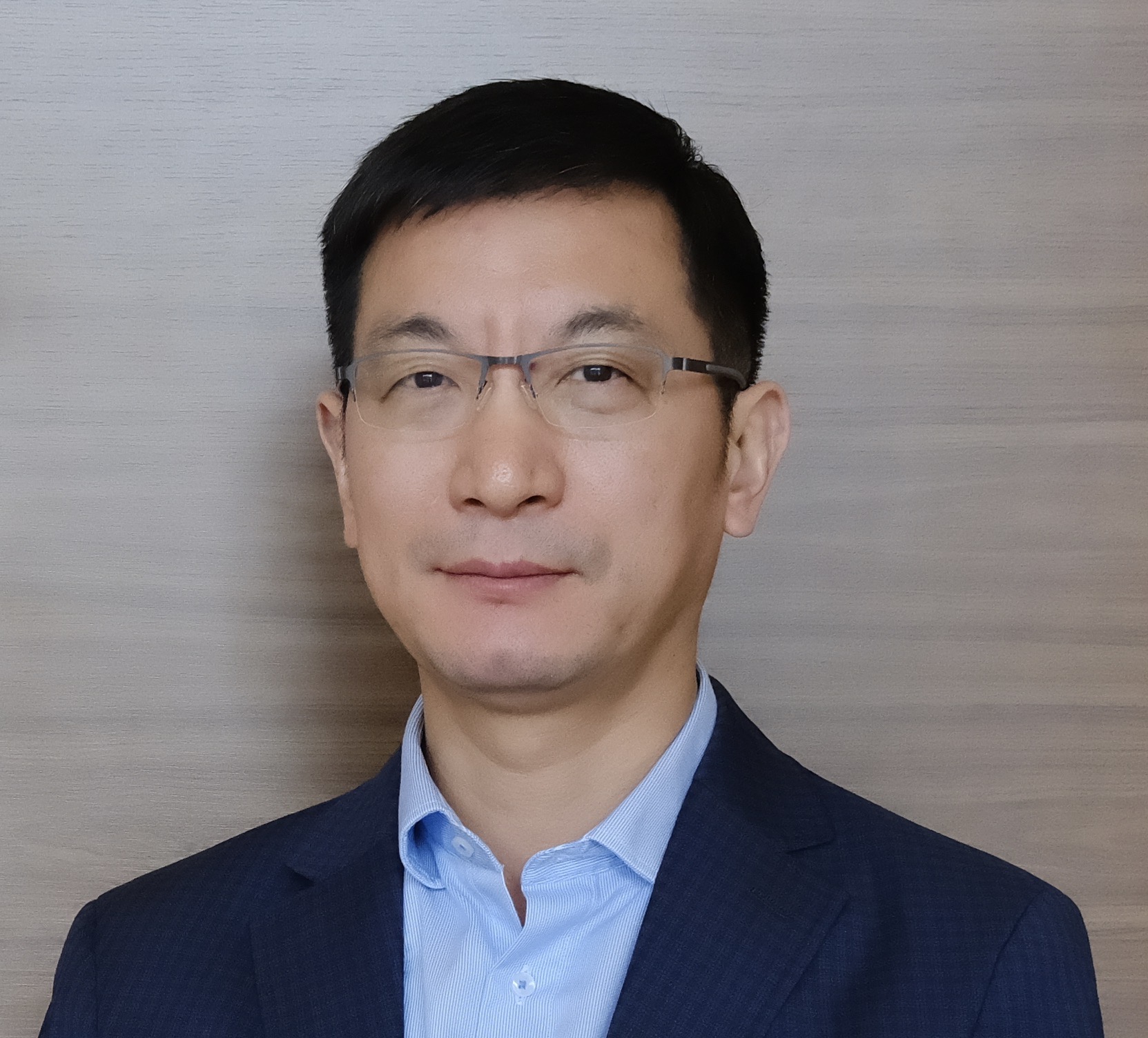
Prof. Chen received her Bachelor's degree in chemistry (1991) and obtained her PhD degree in Biomedical engineering from Huazhong University of Science and Technology of China in 1996. She worked as a postdoctoral research fellow at the Key Laboratory of Nuclear Analytical Techniques, Institute of High Energy Physics of Chinese Academy of Sciences (1996-1998) and at the Medical Nobel Institute for Biochemistry of Karolinska Institute, Sweden (2001-2002). She has been the Professor and a Group Leader of the National Center for Nanoscience and Technology of China since 2006.
Prof. Chen is one of the earliest researchers worldwide in nano-bioanalysis, nanosafety, and biomedical applications. She has made a pioneering contribution and wide collaboration in fundamental research, focusing on the nano-bio interface for understanding the biomedical activities of nanomaterials and developing a new strategy to enhance nanomaterial-mediated theranostic applications, like malignant tumors and vaccine nanoadjuvants. She has authored/co-authored over 390 peer-reviewed papers/book chapters. She has published 8 books and has been granted over 45 patents. She is the principle investigator of several domestic and international projects, such as China MOST Program and projects from Natural Science Foundation of China, the EU2020, EU-FP6 and EU-FP7, IAEA Coordinated Research Project, Danish Council for Strategic Research, Germany BMBF Cooperation Project, and Japan photon factory cooperation projects.
Selected ACS Publications
Protein Corona-Mediated Inhibition of Nanozyme Activity: Impact of Protein Shape | Journal of the American Chemical Society
×
Prof. Xiaoyuan (Shawn) Chen
Editor-in-Chief, ACS Nano Medicine
Nasrat Muzayyin Chair Professor, National University of Singapore
Prof. Xiaoyuan (Shawn) Chen received his B.S. (1993) and M.S. (1996) degrees from Nanjing University (China) and then Ph.D. degree in Chemistry from the University of Idaho (1999). After two postdoctoral trainings, he became an Assistant Professor at the University of Southern California (USC) in 2002. He then moved to Stanford in 2004 and received tenure in 2008. In 2009, he joined the National Institute of Biomedical Imaging and Bioengineering (NIBIB), National Institutes of Health (NIH) as a Lab Chief. In 2020, he became Nasrat Muzayyin Chair Professor in Medicine and Technology, National University of Singapore (NUS).
He was the founding editor of journal Theranostics (IF 12.4). He was elected as AIMBE Fellow (2017), SNMMI Fellow (2020), Fellow of European Academy of Sciences (2024), Member of Academia Europaea (MAE, 2024), and Singapore National Academy of Science (SNAS, 2024), received JBN Trailblazer Award (2023), SNMMI Michael J. Welch Award (2019), ACS Bioconjugate Chemistry Lecturer Award (2016), NIH Director's Award (2014), and NIBIB Mentor Award (2012). He became a member of the Advanced Materials Hall of Fame (2023). He is also the Past President of Chinese American Society of Nuclear Medicine and Molecular Imaging (CASNMMI), Past President of the Radiopharmaceutical Science Council (RPSC), Society of Nuclear Medicine and Molecular Imaging (SNMMI), and Past President of the Chinese American Society of Nanomedicine and Nanobiotechnology (CASNN).
Prof. Chen has published over 1100 papers and numerous books (total citations ca. 160,000, H index 207 based on Google scholar). His research is largely focused on the development of theranostics (combination of diagnostics and therapeutics, e.g. radiotheranostics, nanotheranostics, immunotheranostics, magnetotheranostics, phototheranostics, etc.) that can be clinically translatable.
×
Prof. Chu Wang
Professor and Chair, Department of Chemical Biology
Senior Investigator, Center for Life Sciences
Peking University
Chu Wang received Ph.D. in 2007 from University of Washington under the guidance of Professor David Baker, training in the area of computational protein structural prediction and design. He then worked as a postdoctoral fellow with Professor Benjamin Cravatt at The Scripps Research Institute, Lo Jolla, and developed multiple chemical proteomic methods to profile reactive cysteines and modifications in proteomes. In 2014, he joined Peking University to start his independent career and was promoted to tenured professor of Chemical Biology in 2020. He has won Young Chemical Biologist Award from International Chemical Biology Society and Distinguished Young Scholar Award from National Natural Science Foundation of China. His research interest is to develop chemical and computational proteomics methods to enable quantitative profiling of functional enzymes, protein post-translational modifications as well as protein-ligand interactions in proteomes.